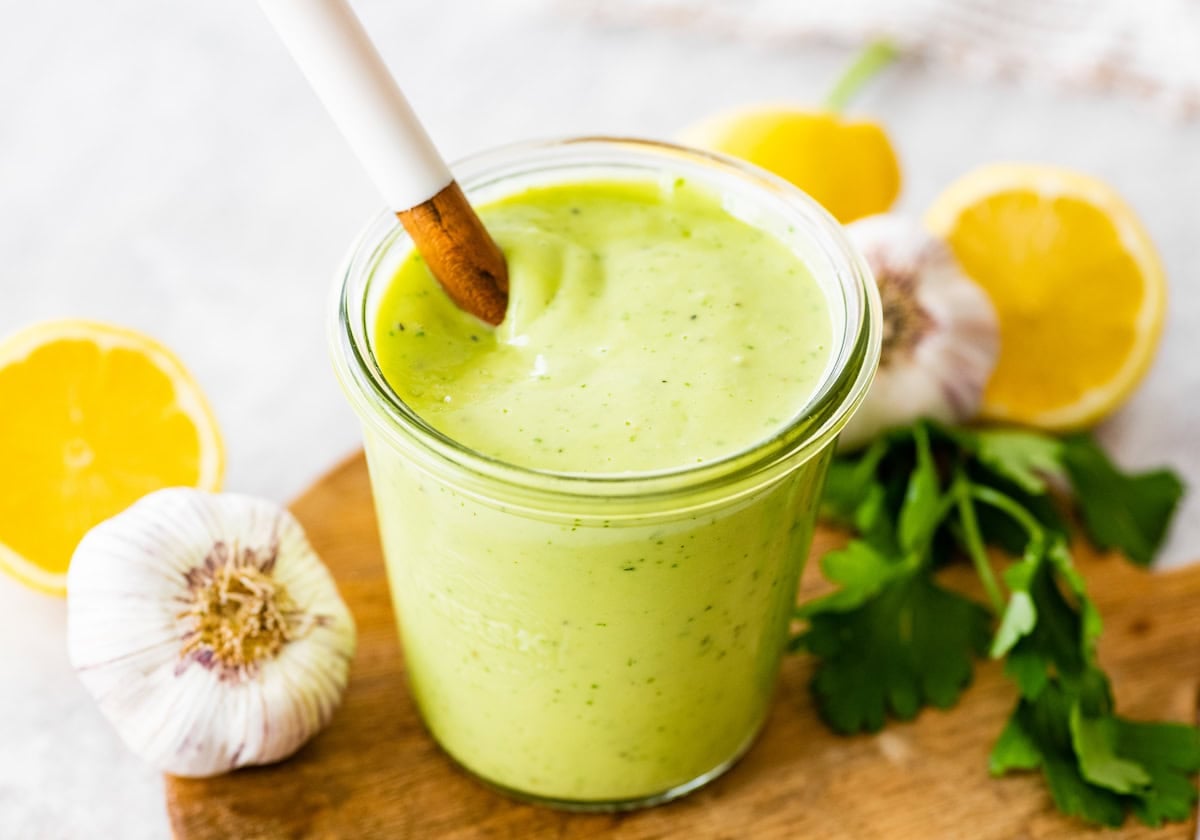
Transforming a simple bowl of greens into a culinary delight often hinges on one crucial element: the dressing. While traditional vinaigrettes and creamy store-bought options have their place, nothing quite compares to the fresh, vibrant, and utterly delicious experience of a homemade avocado salad dressing. This isn't just a dressing; it's a creamy, nutrient-packed emulsion that brings a touch of gourmet to any meal, proving that healthy eating can be incredibly indulgent.
The beauty of an avocado-based dressing lies in its versatility and the inherent goodness of its star ingredient. Avocados lend a natural creaminess that can rival dairy-based dressings, but with a profile of heart-healthy monounsaturated fats, fiber, and essential vitamins like K, C, B6, and E. If you're looking to elevate your salads, wraps, or even grain bowls with a burst of fresh flavor and unparalleled texture, mastering the art of the avocado salad dressing is a skill worth cultivating.
Why Avocado Salad Dressing is a Game-Changer for Your Kitchen
In a world saturated with ultra-processed foods, making choices that benefit both your palate and your well-being is paramount. Avocado salad dressing stands out as a true game-changer, offering a delightful departure from typical, often oil-heavy, or sugar-laden alternatives. Its primary ingredient, the avocado, is celebrated for its dense nutritional value. Far from being an empty calorie, avocados provide a rich source of healthy fats that are crucial for nutrient absorption and can help you feel fuller for longer, curbing unnecessary snacking.
Beyond its impressive nutritional profile, the texture an avocado brings to a dressing is simply unmatched. It provides a luxurious, velvety consistency without the need for dairy or excessive oil, making it an excellent choice for those with dietary restrictions or anyone seeking a lighter yet satisfying option. This natural creaminess ensures that every leaf of your salad is beautifully coated, delivering flavor in every bite. Moreover, the subtle, earthy flavor of avocado acts as a fantastic canvas for a myriad of other ingredients. Whether you prefer a zesty lime kick, a herbaceous garden blend, or a hint of spicy heat, avocado complements them all, allowing for endless customization.
For individuals adhering to vegan, gluten-free, or whole-food plant-based diets, avocado salad dressing is a dream come true. It effortlessly fits into these lifestyles, offering a rich source of healthy fats and nutrients that might otherwise be harder to come by. It’s also incredibly easy to prepare at home, often requiring nothing more than a blender or food processor and a few fresh ingredients. This homemade approach means you're in control of everything that goes into your dressing, free from unwanted preservatives, artificial flavors, or excessive sodium often found in store-bought varieties. Truly, making your own avocado salad dressing is one of the simplest yet most impactful ways to enhance your culinary repertoire and nourish your body.
Crafting the Perfect Avocado Salad Dressing: Key Ingredients and Variations
The journey to the perfect avocado salad dressing begins with selecting ripe avocados. Look for those that yield slightly to gentle pressure. A good base recipe often includes:
- 1 Ripe Avocado: The star, providing the creamy texture and base flavor.
- Juice of 1-2 Limes or Lemons: Essential for brightness, tang, and preventing the avocado from browning.
- 1/4 - 1/2 Cup Water or Plant-Based Milk (e.g., almond, oat): To achieve the desired consistency. Start with less and add more as needed.
- 1 Small Garlic Clove (minced): For a subtle savory kick.
- Salt and Freshly Ground Black Pepper: To taste, enhancing all the other flavors.
- Fresh Cilantro or Parsley (optional, a handful): For an herbaceous, fresh profile.
Simple Steps for a Stellar Dressing:
- Combine all ingredients in a blender or food processor.
- Blend until completely smooth and creamy.
- Taste and adjust seasonings, adding more salt, pepper, or lime juice as desired. Add more liquid if you prefer a thinner consistency.
The beauty of this dressing lies in its adaptability. Once you have the basic formula down, the possibilities for variations are endless, allowing you to tailor it to any meal or mood. Perhaps you've tried different approaches to creamy dressings and are ready to expand your flavor horizons. For an even deeper dive into enhancing texture and taste, exploring methods described in avocado salad dressing - Article 2 could provide further inspiration.
Exciting Variations to Experiment With:
- Spicy Sensation: Add a quarter or half a jalapeño (seeded for less heat), a pinch of cayenne pepper, or a dash of your favorite hot sauce.
- Herbaceous Dream: Incorporate fresh dill, basil, mint, or chives for different aromatic dimensions.
- Tangy Twist: A tablespoon of apple cider vinegar or white wine vinegar can add another layer of acidity and depth.
- Sweet & Savory: A touch of maple syrup or agave nectar can balance the tang, especially when paired with a spicy element.
- Umami Boost: A teaspoon of nutritional yeast can add a cheesy, savory depth, making it even more satisfying.
- Ginger-Turmeric Power: A small knob of fresh ginger and a pinch of turmeric powder can add both flavor and a health boost.
Beyond the Salad Bowl: Creative Uses for Your Avocado Dressing
While "salad dressing" is in its name, limiting this vibrant creation to just leafy greens would be a culinary disservice. Your homemade avocado salad dressing is incredibly versatile and can elevate a multitude of dishes, becoming a staple condiment in your refrigerator. Its creamy texture and rich flavor profile make it a fantastic substitute for heavier sauces or a fresh alternative to traditional dips.
Here are some creative ways to incorporate your avocado dressing into other meals:
- Taco & Burrito Topping: Drizzle generously over fish tacos, chicken burritos, or veggie wraps for a cool, creamy counterpoint to spicy fillings.
- Grain Bowl Enhancer: Transform a simple bowl of quinoa, rice, or farro with roasted vegetables and protein into a gourmet meal with a dollop of this dressing.
- Veggie Dip Extraordinaire: Serve it as a healthy and flavorful dip for raw vegetables like carrots, celery, bell peppers, and cucumbers. It’s also fantastic with sweet potato fries!
- Sandwich & Wrap Spread: Replace mayonnaise or other spreads with avocado salad dressing for a fresher, healthier option in sandwiches, paninis, or pita pockets.
- Marinade for Proteins: Use it as a tenderizing and flavorful marinade for chicken, fish, shrimp, or tofu before grilling, baking, or pan-frying. The acidity of the lime/lemon juice helps tenderize, and the avocado imparts incredible flavor.
- Topping for Baked Potatoes or Sweet Potatoes: Move beyond sour cream and butter. A generous spoonful of avocado dressing turns a simple baked potato into a vibrant and satisfying side.
- Pesto Alternative: For a creamy, nut-free pesto-like sauce, blend in extra basil or spinach and use it over pasta or zucchini noodles.
- Soup Swirl: A swirl of this dressing can add a beautiful visual and creamy texture to bowls of chili, black bean soup, or tortilla soup.
Tips for Storing and Enjoying Your Homemade Avocado Dressing
Making a batch of homemade avocado salad dressing is a smart way to ensure you always have a healthy, flavorful option on hand. However, avocados are notorious for browning once exposed to air. With a few simple storage tips, you can extend the life and vibrant green color of your dressing for several days.
Maximizing Freshness and Longevity:
- Airtight Container is Key: Always store your dressing in an airtight container in the refrigerator. This minimizes air exposure, which is the primary culprit for oxidation.
- Surface Protection: For optimal freshness and to prevent browning, press a piece of plastic wrap directly onto the surface of the dressing before sealing the container. This creates an additional barrier against air. Alternatively, a thin layer of olive oil on top can also help.
- Lemon/Lime Juice is Your Friend: The acidity from the lemon or lime juice in the recipe is crucial for preserving the dressing’s vibrant color. Don't skimp on it! If you find it browning too quickly, consider adding a little extra citrus juice to your next batch.
- Optimal Shelf Life: Generally, homemade avocado salad dressing will stay fresh and green for about 3-5 days when stored correctly in the refrigerator. While it might still be safe to eat after this period, its color and vibrant flavor will start to diminish.
- Reviving a Thickened Dressing: Over time, the dressing might thicken in the refrigerator. If this happens, simply add a splash of water, plant-based milk, or a little extra lime juice and whisk or blend briefly until it reaches your desired consistency.
- Serving Temperature: This dressing is best enjoyed chilled, as the flavors are more pronounced and refreshing.
By following these simple guidelines, you can ensure that every spoonful of your homemade avocado salad dressing is as fresh, flavorful, and visually appealing as the first.
In conclusion, incorporating avocado salad dressing into your culinary routine is a step towards more flavorful, healthier, and versatile eating. Its creamy texture, rich nutritional profile, and boundless adaptability make it an essential staple for anyone looking to elevate everyday meals. Whether you're dressing a simple green salad, enhancing a complex grain bowl, or exploring new creative uses, this dressing offers a fresh, vibrant, and incredibly satisfying experience. So, grab a ripe avocado, blend up a batch, and prepare to revolutionize your approach to delicious, healthy food!
